Friday, August 5, 2016

Reading Reflection No. 3

Cognitive Surplus, Clay Shirky
1) What was the general theme or argument of the book?
The general idea of the book is that with the advent and rise of the influential sphere of the Internet, people are spending more time collaborating online with each other and creating a plethora of collaboration spaces that weren't even remotely available before the current technological advancements. This collaboration can lead to a genuine change in society, which is the focus of the book.
2) How did the book, in your opinion, connect with and enhance what you are learning in ENT 3003?
Dr. Pryor has proven throughout the entire class that collaboration and feedback and communication is key in entrepreneurship. Although this book focuses on a bigger picture than a single startup company, the startup can still use the cognitive surplus - now more than ever, through the various forms of social media, entrepreneurs can advertise and introduce their venture and receive literally immediate feedback from markets all around the world. Where a businessperson used to have to buy a list of phone numbers from a third party company and spend the time to call each number, hoping to survey 1 out of 15 people that even picked up, not only can the survey time now be expedited through mass emails but potential customers can find the business online and approach the business themselves, instead of the other way around.
3) If you had to design an exercise for this class, based on the book you read, what would that exercise involve?
I would design an experiment type of exercise. In the author's chapter on Opportunity, he references the Ultimatum game and the difference between what behavioral economics predicts will happen and what actually happens. I would change the game to fit entrepreneurship, and have students propose partnerships, business-to-business deals, or deals between the service and the customer and have other students respond. I am sure that the class would emphasize the point that we are likely to create fair trades with each other rather than trades that heavily benefit us and put the other party at a disadvantage, and that we are likely to not accept unfair deals even though we still might be gaining something.
4) What was your biggest surprise or 'aha' moment when reading the book? In other words, what did you learn that differed most from your expectations?
Honestly, my biggest "surprises" from the book was that a) it was not about the same term of cognitive surplus that we use in cognitive research (we use it in terms of how much cognitive resources an individual has at their disposal, and this can be tested) and b) that Myspace was not in fact the first social media site. Who knew? It was a site called SixDegrees. But...no one remembers that website nor even used it, that I know of, so I will still reference Myspace as the first successful social media site.

Venture Concept No. 2

Opportunity:

There is an opportunity in the college-student market for fresh, home-cooked, low-priced meals delivered weekly. The environment changes this opportunity as college becomes more and more rigorous and students have less and less time to take care of their personal health. Also, student loans are quickly becoming commonplace, allowing more students to attend college while staying conscious of their increasing debt – meaning they spend time outside of classes at part-time jobs and are not keen to spend a lot of money on food. My belief is that this need is not separated geographically, as college kids across the nation likely fit into the same market. I also believe, from interviews, that females tend to be more prepared to cook for themselves while in school, though they may still not have time to. Customers currently satisfy this need by sacrificing either their health, their bank accounts, or their time – eating fast food, eating expensive but healthy meals out, or spending about 1-1.5 hours cooking for themselves every day. I believe that this opportunity is a big one, and if I can time it right and advertise well, I could gain a lot of customers in a short time. I also believe that this window of opportunity will not only be open for a long time, but it will continue to grow as college evolves and more kids attend university and higher education becomes the new high school diploma.

Innovation:
My innovation is an adaptation of an existing product/service scheme. Currently, weekly meals are sold for $10-20 per meal and are advertised as purely organic, or as paleo, or as fitting a very specific macronutrient breakdown. College students don’t need nor want such intricate meals, all they need is pre-made food that won’t poison them and that won’t break their banks. I am offering low-priced meals that could have come out of their parent’s kitchen. I am offering two different-sized types of meals, ones around 400-500 calories and ones around 700-900 calories, based on the interest from different people. The more meals bought, the cheaper they will be, but for single meals the smaller ones will be priced at $4 and the larger meals at $5. I am offering 7 mall meals for $25 or 7 large meals for $30.

Venture Concept:
My innovation will address the opportunity I found in the college student market. College students need good food for cheap, and very convenient. I will supply them with that food and with delivery service, so that students can focus more on their homework and classwork. Customers will want to switch to my product because there is currently no product that meets all of their health, time, and monetary needs all at once, and my product/service offers this. There are no direct competitors, but all of the convenient restaurants in Gainesville, like Chipotle and Moe’s, could take customers away on a daily basis. My pricing defines my business concept, as well as customer experience. The customer must love the food and the low price in order for the business to work. I would probably employ 2 employees, one to do the advertising and recruiting and customer support and one to assist with the cooking and to deliver the meals and collect the money.

Minor Details:
My most important resource, as defined in my “Unfair Advantage” post, is my cooking capability. I have a certain style of cooking that is my own, and I am good at what I cook. Others are also good cooks, but maybe they do not choose to combine the same ingredients I do for the certain taste I enjoy.

Next for my venture, I would want to expand my offerings to offer breakfasts and desserts, if the market demanded them.


As for myself, I’d want to be a small business owner with a larger employee base, so that I might have 2 days off a week….as if entrepreneurs get days off. I’d probably stay in Gainesville with 4 employees, while having a base of 5 employees in Tallahassee creating meals for students at FSU.

Feedback:
I got some great feedback on my first venture concept post. One student mentioned that I would have plenty of customers...but only if the my cooking style matched the tastebuds of enough people. Another student suggested that I create a brochure showcasing all of the meal options so that the customer can pick their meals.

What I would change about my venture concept:
Before I would launch each new recipe, I would head to turlington with samples of the meal and very short surveys. I'd ask passing students to try the food and fill out the survey. The questionnaire would probably include questions asking if they liked the food, if they would eat a whole meal of it, and what should be added or removed.

After thinking about it, I don't think I would actually let the customers individually pick their meals, at least at the start of the business when I have less than 10 customers and no employees. The reason I can do it so cheaply is because I can cook in bulk, so essentially all of my customers would need to eat the same meals as each other each week. I would have a set of meals I'd be cooking, and students can agree to buy them or not. Of course, I would receive feedback from customers on their favorite meals and which meals they don't enjoy, and I would try to make the most people happy the most often.
*Google image, not my meals*

Final Reflection


  1. I started out this course with high hopes for myself and excited about the course. About 3 weeks in was my lowest point in the class, when I realized that I had overloaded myself this summer and that I did not have the time necessary to work 2 jobs, take a 4 credit class requiring conducting interviews, and keep up my hobbies. I then calmed down and came to terms with my grade and allowed myself to stress less by receiving a lower grade in this course, which i am still at peace with. I did have a couple moments of dread - when reading reflection 2 was due in 3 days and I had yet to read a book, and when 2 out of the 3 Saturday assignments were interview-based.
  2. The assignment I will remember most was the one for which I had to interview the 5 people closest to me and discover what vibe I gave off to people. It told me a lot about how I act differently towards different people, that I view myself more negatively than others view me, and that I have a couple characteristics that are more defining than I had thought they were. If I had done the 3 elevator pitches, I would likely be most proud of myself for the final one and for how I had improved since the first.
  3. I see myself as an entrepreneur more because I started and ran my own business for Spring semester than because of this class - and that is completely my fault. If I had put time into this class, I definitely would have felt more entrepreneurial and more involved in my venture concept. I did appreciate, since I did all of the written assignments, that this class really helped my learn how to develop my business into a better and more detailed plan. Also, the feedback from other students made me feel like I was collaborating on my concept which was a lot of fun and very useful.
  4. I would recommend to future students that they make sure that they make time for this class. It is a time-consuming course and I really did not look into what was required of me before add/drop ended. I wish I had, because I would have adjusted my schedule and probably not committed to my second job this summer if I had known what I was getting into. If students dedicate time to this class and complete all of the assignments, I'm sure that it would be a ton of fun.

Sunday, July 31, 2016

Making It Real

My Exit Strategy


  1. I plan to sell my business within the next 5 years for a return. I hope to grow the business by the time I sell it so that I am operating at UF, FSU and UCF and I will hopefully have multiple interested buyers. I will likely sell the business as I am going into the 3rd year of my PhD program, or maybe midway through the second year.
  2. I have made this plan because while the money will be good while I am in school, I will not have time to work on anything but quals and my dissertation when the time arrives. After I earn my PhD, I won't want to cook meals for college students anymore, as I will be pursuing my long-term career goal. Therefore, the time at which I sell may change depending on how many gap years I take and how long I choose to extend my PhD program.
  3. My exit strategy has influenced how and were I grow my business. I theoretically could try to open a shop in every major college town, not just in three Florida ones. But I would choose to keep my business small and reigned in so that I have an easier empire to manage and so that I can complete my schooling while operating the business. The exit strategy also influences the number of employees I hire - I would need more employees as I go further in my education, as I will be doing less and less of the actual cooking/delivery.

Sunday, July 24, 2016

Venture Concept No. 1

Opportunity:

There is an opportunity in the college-student market for fresh, home-cooked, low-priced meals delivered weekly. The environment changes this opportunity as college becomes more and more rigorous and students have less and less time to take care of their personal health. Also, student loans are quickly becoming commonplace, allowing more students to attend college while staying conscious of their increasing debt – meaning they spend time outside of classes at part-time jobs and are not keen to spend a lot of money on food. My belief is that this need is not separated geographically, as college kids across the nation likely fit into the same market. I also believe, from interviews, that females tend to be more prepared to cook for themselves while in school, though they may still not have time to. Customers currently satisfy this need by sacrificing either their health, their bank accounts, or their time – eating fast food, eating expensive but healthy meals out, or spending about 1-1.5 hours cooking for themselves every day. I believe that this opportunity is a big one, and if I can time it right and advertise well, I could gain a lot of customers in a short time. I also believe that this window of opportunity will not only be open for a long time, but it will continue to grow as college evolves and more kids attend university and higher education becomes the new high school diploma.

Innovation:
My innovation is an adaptation of an existing product/service scheme. Currently, weekly meals are sold for $10-20 per meal and are advertised as purely organic, or as paleo, or as fitting a very specific macronutrient breakdown. College students don’t need nor want such intricate meals, all they need is pre-made food that won’t poison them and that won’t break their banks. I am offering low-priced meals that could have come out of their parent’s kitchen. I am offering two different-sized types of meals, ones around 400-500 calories and ones around 700-900 calories, based on the interest from different people. The more meals bought, the cheaper they will be, but for single meals the smaller ones will be priced at $4 and the larger meals at $5. I am offering 7 mall meals for $25 or 7 large meals for $30.

Venture Concept:
My innovation will address the opportunity I found in the college student market. College students need good food for cheap, and very convenient. I will supply them with that food and with delivery service, so that students can focus more on their homework and classwork. Customers will want to switch to my product because there is currently no product that meets all of their health, time, and monetary needs all at once, and my product/service offers this. There are no direct competitors, but all of the convenient restaurants in Gainesville, like Chipotle and Moe’s, could take customers away on a daily basis. My pricing defines my business concept, as well as customer experience. The customer must love the food and the low price in order for the business to work. I would probably employ 2 employees, one to do the advertising and recruiting and customer support and one to assist with the cooking and to deliver the meals and collect the money.

Minor Details:
My most important resource, as defined in my “Unfair Advantage” post, is my cooking capability. I have a certain style of cooking that is my own, and I am good at what I cook. Others are also good cooks, but maybe they do not choose to combine the same ingredients I do for the certain taste I enjoy.

Next for my venture, I would want to expand my offerings to offer breakfasts and desserts, if the market demanded them.

As for myself, I’d want to be a small business owner with a larger employee base, so that I might have 2 days off a week….as if entrepreneurs get days off. I’d probably stay in Gainesville with 4 employees, while having a base of 5 employees in Tallahassee creating meals for students at FSU.

Celebrating Failure


  1. This summer semester, I attempted to bench press 95 pounds for 5 sets of 5 repetitions. It took my fourth try (about 2 weeks) to finally hit that weight and rep scheme, and those last couple of reps were sloppy and so tough. The first time I attempted the weight, I failed on the third set, 5th rep. The second time, I failed on the 5th set, 3rd rep. The third time, I failed on the 5th set, 4th rep. That 3rd attempt was incredibly frustrating, because I only got one more rep than the previous training session and because I was SO close to my goal.
  2. I learn so much about myself every time I fail in the gym. The bench press is my favorite of the big three lifts because I feel exceptionally confident in my form and my ability to recruit the necessary muscle groups, so when I repeatedly miss a lift on the bench I tend to really stress about it. This time, though, I really focused my energy into reminding myself that most women my age can't bench 95 pounds for even one repetition, much less for a 5x5, and that every time I tried the weight I was able to lift more. Even though I didn't hit my goal for two weeks, I wasn't plateauing or stalling or losing progress; I was still moving forward, and it's okay that I wasn't moving forward as quickly as I wanted to.
  3. I used to be very, very terrible at accepting my failures. I would try to blame someone else, or I would retrospectively change my goal so that it would seem like I hadn't actually failed. Somewhere in my college career - probably due to the fact that I failed at more things here at UF than I ever did before college - I learned to let go of my hang-ups over failing. My biggest feelign fo failure happened this past January. I let go of a two year relationship with someone who I had been best friends with a year before we began dating. Coming out of that relationship and realizing that my future was suddenly much less determined felt like a huge failure to me. I had "failed" at maintaining a happy, healthy romantic partnership with someone important to me. I am actually very proud of myself for how I dealt with this potentially isolating and depressing failure; I applied for a competitive research scholarship and won it, I applied for a job tutoring with the UAA and got a position, I proved myself to my research lab so much so that I was offered a paid position (the only paid undergraduate out of 35 of us), and I reconnected with old friends and made a ton of new friends. Essentially, I put myself in a ton of different positions to fail at a ton of different things, and I put my heart into succeeding at each of them. My way of dealing with failure has become to ensure that I succeed at something else, which has landed me in the incredible place I find myself today - thriving, happy, and confident in my abilities. I don't think that this class has changed my opinion of failure at all. Then again, if I put more effort into this class and completed more assignments, specifically the ones where I am supposed to interview strangers, I am sure that I would have experienced more failures.

One of the best days of my college career. Having a lab that works so well with
me and that is proud of me is a feeling I wouldn't trade for the world:)

Saturday, July 16, 2016

My Unfair Advantage


  1. Resources:
    1. excellent cook
    2. efficient
    3. already own the large crock pot/pots/pans necessary for mass meal production
    4. I live alone, making dirtying the kitchen easy
    5. My workload allows ample time to make meals
    6. I already have 10+ great recipes
    7. I have great people skills
    8. The start-up costs will be very low, and I have the money for them.
    9. I already have potential customers.
    10. My business will run heavily off of work of mouth, which for me is a good thing.
  2. VRIN
    1. excellent cook
      1. Valuable: it is necessary to my service quality
      2. Rare: this is a rare quality in a college town
      3. Inimitable: it takes years to learn
      4. Non-substitutable: when making food, nothing can replace the taste of well-made food
    2. efficient
      1. Valuable: I will make more per hour of my time by being more efficient
      2. Rare: this is probably not a rare quality
      3. Inimitable: efficiency is key to running a business
      4. Non-substitutable: no other quality can replace efficiency
    3. already own the large crock pot/pots/pans necessary for mass meal production
      1. Valuable: lower start up costs
      2. Rare: college students do not own these tools
      3. Inimitable: these tools are necessary for meal preparation 
      4. Non-substitutable: smaller tools will work, but would be very less efficient
    4. I live alone, making dirtying the kitchen easy
      1. Valuable: this will be a messy business, and living alone lets me make a mess without regard for anyone else
      2. Rare: most people have roommates that will complain about messes (naturally)
      3. Inimitable: this will lead to more efficiency for
      4. Non-substitutable: even a larger kitchen would not help me, as my roommate would need to cook/ue our kitchen at ome point while I
      5. m covering every surface.
    5. My workload allows ample time to make meals
      1. Valuable: I can take classes, work, and do this on the side
      2. Rare: My work schedule is more flexible than most
      3. Inimitable: it takes a lot of pre-planning and good luck to get the schedule I have
      4. Non-substitutable: no other resource can give me more free time
    6. I already have 10+ great recipes
      1. Valuable: less front work I would need to do
      2. Rare: most college kid don't have legitimate recipes int heir won recipe books
      3. Inimitable: probably pretty easy for someone else to come up with recipes
      4. Non-substitutable: the recipes are the backbone for my concept, cannot substitute recipes for anything
    7. I have great people skills
      1. Valuable: for meeting/keeping customers
      2. Rare: not a rare quality
      3. Inimitable: it is a relatively innate quality, though it can be learn-able
      4. Non-substitutable: my business will run off of word of mouth and face-to-face interaction
    8. The start-up costs will be very low, and I have the money for them.
      1. Valuable: keeps costs low, of course this is valuable
      2. Rare: many business concepts have very high start-up costs
      3. Inimitable: any business with low start-up costs has the same advantage
      4. Non-substitutable: saving money is key
    9. I already have potential customers.
      1. Valuable: already have a source of income, plus word-of-mouth advertising will begin immediately
      2. Rare: not rare to line up customers before starting a business
      3. Inimitable: not inimitable
      4. Non-substitutable: customers are necessary!
    10. My business will run heavily off of work of mouth, which for me is a good thing
      1. Valuable: potential customers will hear from a trusted source/friend how good my service is
      2. Rare: not rare, lots of businesses are based on word-of-mouth
      3. Inimitable: not inimitable
      4. Non-substitutable: there are other forms of advertising that would do the job f letting people know about the business, but word of mouth is so great because people hear about the product from someone that they trust.
  3. Top Resource: my cooking capabilities. I have a certain style of cooking that is my own, and I am good at what I cook. Others are also good cooks, but maybe they do not choose to combine the same ingredients I do for the certain taste I enjoy. I think my proficiency at cooking is my best resource.

The Amazon Whisperer


  • Revenue Drivers:
    • Weekly meal creation
    • Meal delivery
  • Customers next will want: classes to learn to cook meals themselves
  • This "next thing" will enhance customer experience and provide a community atmosphere for the customers, as well as making them more satisfied because they are learning a skill.
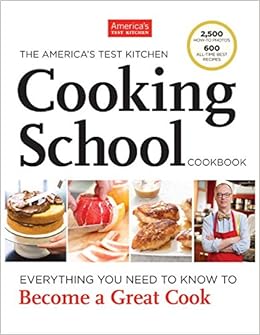
  • My "next thing" is a service rather than a product, so it is not found on Amazon. So instead, I found a cooking-class cookbook on Amazon. This cookbook includes 600 recipes from a website that offers video cooking classes
  • Customers do not like that the product uses the same recipes from previous books published by the same author, or it "recycles recipes". Customers like how very detailed the book is and how many pictures it uses for each step for each recipe.
  • I would put less recipes in the book so that there weren't many, if any, repeat recipes. Since the book would have less recipes, I could sell it for a lower price and perhaps pick up more market share.
  • This product would be a good inclusion for my business concept because it would promote the customer' sense of independence and confidence while also making them love my meals. Since my customer is a college with no time to cook every day, I do not fear that I will lose customers with this addition.

Sunday, July 10, 2016

Reading Reflection No. 2

How to Fail at Almost Everything and Still Win Big, Scott Adams

  1. The book contains all of the secrets that the author, the artist of the Dilbert comics, has learned on how to be both happy and successful in life.
  2. The book goes through many points, some of which are reflected in ENT 3003. Adams suggests to the reader at one point that the reader understand the difference between novelty-based jobs (learning new things daily) and repetitive jobs (like athletes), and we should know which type of job makes us happiest. Entrepreneurship is definitely a novelty job, and some people, though full of fantastic business ideas, may prefer repetitive jobs. Also, the author encourages looking at success as a learn-able skill, which I can see reflected in this class. The class is essentially teaching us how to be a successful entrepreneur, and showing us that with the right knowledge and skillset and motivation to learn, anyone can do it.
  3. I would tell the students to pick 5 of Adams's tips/tricks that they believe they need to work on. Then, over the next week or two, they should practice those skills/tricks. Then complete a write-up of how practicing those tips affected their mood and their outlook on their own ability at achieving success.
  4. Probably the most "Ah-Ha" moment for me was when I read the very first tip - "Passion is Bullshit". The author argues that success does not come from passion, but in reality passion comes out of success. This made the think back on my won successes and passions. I am successful in my research lab, and I am also very passionate about my research. However, I joined the lab and became heavily involved because I loved the people and the atmosphere (as a starting undergrad, I was not yet exposed to the real research). Now that I have a huge responsibility in the lab, I do love it. I am good at participant contact and testing - if I was not good at it, I probably would not love it. I can see the passion/success paradigm working both ways, really.

Idea Napkin No. 2

Idea Napkin:

  1. Again, I am a 4th year college student. I began cooking for myself when I was 15 and I became a vegetarian, and my mother only consented to my eating habit change if I agreed to learn to cook my own dinners. When I came to college and returned to eating meat, I had a whole repertoire of meals and continued to cook for myself. The past two years I have prepped my meals for myself weekly, since it really cuts down on total cooking time. I see this meal prep business fitting really nicely into my current routine - I'd cook the weekly meals for customers at the same time I cook my own.
  2. I'm offering weekly, fully prepared meals at low prices. I am also offering delivery for these meals.
  3. I'm offering these meals to college students who do not have the time, money, or knowledge to cook their own food.
  4. Potential customers need this service because it is a cheap way to get actually healthy food daily without having to do any of the prep work themselves or even leaving their homes to get good food.
  5. There is no other college-kid-affordable meal prep service in Gainesville - the only services are either a fully vegan (and expensive) meal service or paleo diet/fitness-oriented services (also expensive).
  6. My core competencies to make this business succeed are my determination, dedication, people skills, and my ability to cook well.
I believe that my who/what/why's fit together quite well. I think I have the abilities to provide meals for students who have issues cooking their own food, and I have found that there are plenty of students with some form of that problem. Definitely an issue that I addressed and that a commenter brought up was the issue of keeping the meals them affordable enough for college students but expensive enough for me to make a reasonable profit.

Feedack Memo:

  1. Most college age kids love the idea of this model.
  2. Delivery should be an option that I offer.
  3. There is some skepticism about if I can make a profit while keeping meals cheap.
  4. Price will definitely mater to college kids.
  5. There are similar companies at other college campuses.
After feedback, I included delivery as a service I would offer. I also began thinking more about price. I would need to make the business worth my time, but that would be tough to do while keeping prices low. Food service in general has such high mark-up (at places like Panera), I wouldn't be able to do that and keep customers. I'd have to really cook in bulk.

Sunday, July 3, 2016

My Secret Sauce

My Assessment of myself:

  1. I tend to "collect" ideas, activities, and people. I fixate on one thing and throw my full self into learning everything I possibly can about that person or idea or activity, and I become slightly obsessed with learning about it (I don't obsess over people, don't worry). When I have learned as much as I can, I back off and keep that thing in my mental storage in case of necessary recall.
  2. That being said, I also have a hard time focusing on one thing or person or idea for the long haul. I bounce around from exciting new thing to exciting new thing as I learn about everything in my grasp. Sometimes I spend 2 years on a topic, other times it's 2 days. This made choosing a college major very tough, and also makes relationships difficult for me.
  3. I am very, very stubborn. If someone tells me that I can't or shouldn't do something, then I will make sure I do that. And if someone tells me to do something, I refuse to. I only do something if it is my own idea and of my own volition. (My poor mother).
  4. I really, really, really, enjoy learning and education. I consume research articles for fun, on multiple very different topics. I love going to classes and I love going to office hours to talk about extra material outside of class.
  5. I have a great work ethic. I will always go above and beyond whatever my job calls for, not because I am thinking about promotions (although I do end up getting promotions because of this trait), but because I enjoy the results of putting all my effort into something. It does not make sense to me why someone would show up to a job just to try to get out of working as much as possible the whole day, there is no pride in that.
  6. As a bonus trait, I am very prideful. I don't see this trait a a good one, but it isn't all bad, either. I think that pride, when directed in the right manner, can help a person grow.

Others' Assessments of Me:

  1. Jareb Mendez: https://soundcloud.com/sbrinkerhoff/my-secret-sauce-jareb-mendez
    1. Determined
    2. Happy-go-lucky/positive
    3. Gets irritated easily
    4. Likes to argue
    5. Caring
  2. Amy Brinkerhoff: https://soundcloud.com/sbrinkerhoff/my-secret-sauce-amy
    1. Dedicated
    2. Perservere
    3. Integrity
    4. Compassionate
    5. Patient (or I appear to be)
  3. John Brinkerhoff: https://soundcloud.com/sbrinkerhoff/my-secret-sauce-john
    1. Love of horses
    2. I can lift heavy (lol thanks dad)
    3. I budget my finances and stick to it
    4. I am a planner, not a spontaneous person
    5. I am comfortable striking conversation with and talking to people I don't know
  4. Alan Williams: https://soundcloud.com/sbrinkerhoff/my-secret-sauce-alan-williams
    1. Ambitious/determined
    2. Stubborn in accepting outcomes outside my control
    3. Good people skills
    4. Reliant on social feedback/social confirmation
    5. Trustworthy with professional work and with relationships
  5. Jessica Brinkerhoff: https://soundcloud.com/sbrinkerhoff/my-secret-sauce-jessica
    1. Stubborn
    2. Determined
    3. Able to separate emotion from logic/good under pressure
    4. Witty/dry humor & intelligent
    5. Forgetful

The Differences:

     I was definitely more critical of myself than others were of me. I also noticed that some traits that my friends and family picked - such as "ambitious/dedicated/determined" and "caring/compassionate" were traits that, though I notice about myself, I didn't write down because I didn't believe that I was any more of those traits than the next person. Based on these responses, I show those traits more strongly than I knew.
     I also got responses about my"integrity", "trustworthy with work", and I myself mentioned my work ethic. This is a trait that I do strive to exemplify, because I am very proud of honest work. I am glad that it does not go unnoticed.
     Three out of five people mentioned my people skills, or ability to talk to and relate to people I don't know. Again, this is a trait that I never really noticed in myself - I just know that I like to talk, probably a little too much. This trait does help me immensely with my current job and future career in research on older adults; I am constantly meeting new participants and spending hours with them in the lab, and it is imperative that we keep our participants smiling and happy - this can be hard to do with some 65+ adults. However, I do not think that my people skill/positivity make me unique. Many people have just as good or better people skills than I do.
     I took my sister's interview to heart the most, because she knows me best out of anyone in my life. I thought all of her traits about me were very on-point, and more accurate and knowing than the others. She also mentioned how I fixate on thing for short periods of time, which were my first and second points about myself.
     I think I would change my first note about myself to "dedicated", because it is a better description of what I was trying to explain about myself. I would not change any other points, because I still believe that they are my most defining points.

My Customer Avatar

Male college student who is just lazy enough that he is dedicated to his school/classwork and gets good grades but doesn't make time to cook for himself.

The typical customer enjoys going out with his friends on the weekends (and occasionally heads to midtown on Wednesdays). He goes to the gym to lift weights pretty irregularly. When he does go to the gym, he usually does chest/triceps or sometimes back/biceps - he rarely hits legs.

His parents are wealthy, and one of his parents worked from home or did not work when he was growing up. He never really learned how to cook for himself or do his laundry because he never needed to. He does not have a job in college. He is in a tough major, probably following one of his parents' footsteps.  He spends much of his time studying/doing homework, and any time he isn't he would rather be with his buddies doing something fun than taking a couple hours to cook food or clean up his apartment.

He drives a silver 2012 Honda Accord that his parents got for him when he came to college. He doesn't watch much TV (besides Game of Thrones, of course) because he isn't generally a physically lazy person nor does TV give him any intellectual benefit. He spends his free time hanging out with friends either at bars or outside throwing around a football. He doesn't enjoy reading.

He doesn't really care about politics, though he leans liberal on most issues

I am also a college student, but that is where the similarities end. However, this avatar is 100% a mix of my ex-boyfriend and my male best friend. I saw in them the opportunity for this business at the same time I saw in myself the exact opposite of this avatar - I had the skill, abilities and time to cook for myself and others.

Sunday, June 19, 2016

Halfway Reflection


  1. To be honest, I haven't totally kept up with the requirements of this course. I estimate I'll earn a B+ in the class. I can tell you the two character traits that I haven't used or developed, that if I had I would be easily gliding on an A right now - foresight and diligence. I am working 2 jobs this summer, one of which (the one my career will stem from) takes up more time than I honestly have in the day, and I somehow fit the other in, along with a couple personal hobbies and keeping up my friendships. So I tend to forget I have an assignment due until the night of the grace period (like this assignment right now), which means I don't ever get the interview assignments done. If I had the diligence to stay on top of my classwork and the foresight to know that I will have 2 or 3 assignments due at the end of the week, I would think to work on them throughout the week.
  2. I felt like giving up in week 3 or 4, when I wasn't able to complete 2 of the 3 assignments due for the week (because I had waited until the night before to remember them). I got through this feeling of failure by, first of all, closing my computer and going to bed and getting a good night's rest. When I woke up in the morning, I opened up Canvas and counted up the total number of points I had earned, plus how many were left to earn, and I realized I could still get an A- in the class. That one week hadn't gone so well, but that wasn't indicative of my overall standing in the lass, especially considering how many more points I was able to earn. I don't feel that I formed a tenacious attitude about this class in the past 2 months at all, and that feels pretty awful to type, but it's true. I'm just scraping by in this class with what I can work with,
    1. As a side note, I want to say that I definitely feel that I am tenacious in my job (research assistant in a biomechanics lab). In 2 months, I went from an unpaid RA to the first and only paid undergraduate RA, I am submitting an abstract to present a poster at a conference in San Francisco next summer, and I am treated as/seen as a "mini grad student" in the lab with some of the same responsibilities as the PhD students. All of this I achieved through a year of hard work, long hours, and absolute devotion and dedication to the lab as a volunteer, through always going above and beyond my duties, and through my passion for neuromechanics research. I would absolutely say I have developed tenacity as a personal trait.....but not when it comes to ENT3003. Sorry, Dr. Pryor!
  3. Tips that I would tell next semester's students to foster tenacity in the class:
    1. Make sure you pick an opportunity/business idea that you really love for "Forming an Opportunity Belief" - you will get real intimate with this idea real quick.
    2. Do as many assignments as you can ahead of time, so that when you get longer/more challenging assignments (like interviews), you can devote more time to them.
    3. Read the posts by your fellow classmates and really thinks about the comments you give, and make sure you read the comment that they post; seeing similar people get passionate about their own ideas, feeling good about giving them constructive criticism or a big pat on the back, and seeing how others would tweak or improve our own idea will really help you get involved in your business idea and in the entrepreneurial community, and maybe foster a tenacious mindset.
Here's a picture of me in the Applied Neuromechanics Lab "markered up" in the reflective markers that make motion capture possible. We were trying to get a shot of me mid-jump...it didn't turn out so well!
Displaying 20160601_155445.jpg

Portmanteau" "Freasy"

Portmanteau: "Freasy"

Definition: free and easy (a college kid's favorite two things)

My experience with this activity was pretty disappointing. Almost every time I said "freasy", people ignored the word and continued the conversation. I got almost no reactions. One friend did a double-take and asked what it meant, and when I defined it he gave me an odd look and kept talking. MY parents and my sister just didn't even seem to hear the word although I said it multiple times in front of them.

No one picked up the phrase.

I think that most of my friends and family ignored the word because I do have a habit of making up nonsense words to fit in my sentences, and they have gotten used to using context clues to pick up the definition of thee words and continue conversation.

In the future, I think I will try to use a Portmanteau that is more used in funny contexts, because I believe it will stick better in my circles. Perhaps "Ploob" - a combination of "Pleb" and "noob"?

One conversation highlight:
Bailey (best friend): "Wanna go to a Gator Nights thing when fall comes back? We've never actually gone and we probably should before we graduate."
Me: "Hey, if it's freasy, I'm down."
Bailey: "What the hell did you just say to me?"
Me: "Freasy. Like free and easy, But better."
Bailey: "Shut the hell up."
Me: "Ok."

Saturday, June 11, 2016

Idea Napkin Number 1


  1. I am a 4th year college student. I began cooking for myself when I was 15 and I became a vegetarian, and my mother only consented to my eating habit change if I agreed to learn to cook my own dinners. When I came to college and returned to eating meat, I had a whole repertoire of meals and continued to cook for myself. The past two years I have prepped my meals for myself weekly, since it really cuts down on total cooking time. I see this meal prep business fitting really nicely into my current routine - I'd cook the weekly meals for customers at the same time I cook my own.
  2. I'm offering weekly, fully prepared meals at low prices.
  3. I'm offering these meals to college students who do not have the time, money, or knowledge to cook their own food.
  4. Potential customers need this service because it is a cheap way to get actually healthy food daily without having to do any of the prep work themselves. 
  5. There is no other college-kid-affordable meal prep service in Gainesville - the only services are either a fully vegan (and expensive) meal service or paleo diet/fitness-oriented services (also expensive)
I believe that my who/what/why's fit together quite well. I think I have the abilities to provide meals for students who have issues cooking their own food, and I have found that there are plenty of students with some form of that problem. The issue I am having is the pricing of meals, to keep them affordable enough for college students but expensive enough for me to make a reasonable profit.

Reading Reflection Number 1

Steve Jobs, Walter Isaacson

  1. About Steve Jobs:
    • I was surprised by how gruff, heartless and manipulative Jobs was, and by how accepting of those trait he was. Gurus and geniuses like Jobs are painted to be these perfect, awesome human beings, because of what has did for the world by creating Apple. But really, he has nasty character traits like the rest of us, and honestly probably much worse than the rest of us.
    • I admired Jobs's determination. Everyone told him that his visions for the personal computer were outlandish and impossible, and instead of being dicouraged his response was to prove them wrong and do the impossible.
    • I did not admire how Jobs treated his friends, especially Wozniak. Apple definitely would not have become what it is today without Jobs' drive for perfection and ability to get what he wanted from others, but Wozniak was the engineering genius behind the first Apple computers. Apple would not have existed at all without Woz Jobs was heartless to his other friends as well, like Daniel.
    • Jobs encountered plenty of adversity and failure from a young age. He grew up knowing he was adopted and feeling abandoned because of it. He also was fired from his own company, Apple. He was treated for cancer, multiple times. Through all of these storm clouds, he sought the silver lining. Though he had feelings of abandonment, Jobs also had a recognition that he was special, and that his parents chose him specifically. When he was fired from Apple, Jobs created 2 new businesses, one of which Apple later bought (bringing Jobs back into the company), the other of which is Pixar. And through the cancer, he
  2. Two competencies that Jobs exhibited were the ability to manipulate others into complying with his requests, and the ability to make his creative ideas come to life no matter the costs.
  3. One part of the reading that was confusing to me was Job's opinion on his use of LSD as a young man. Jobs swears that LSD helped enlighten him and open up his creativity and his will to give something back to humanity. I guess that confuses me because I don't expect a self-made billionaire to attribute a large part of those traits that made him so successful to a psychedelic drug. Then again, Steve Jobs was definitely not the typical businessman nor predictable.
  4. Two questions I would ask Jobs are "What do you think the next 10 years holds for technological advancement?", and "What do YOU think was your greatest accomplishment?"
  5. Jobs seemed to see hard work as absolutely non-negotiable. When one of his team members might have appeared to be slightly slacking off, Jobs cut him out with no empathy. To Jobs, if you didn't love the work you were doing and put your whole heart and time into it, then he didn't need to deal with you. Do I agree with this? I mean, I have a good hard-work ethic and I whole-heartedly believe that if someone doesn't love their career, then they shouldn't be in it. But I wouldn't be as intense as Jobs was about it...however, I also will not be a millionaire and famous by the time I'm 23.

Saturday, June 4, 2016

Tweaking the Innovation

Product/Service Mix

Breakfast
Entrees
Delivery/packaging
Easy college cooking classes
Baked Oatmeal (cinnamon apple, banana chocolate chip)
Fiesta crockpot chicken
1x per week – 7 entrees, 7 breakfasts
1x per month in-person, 1.5 hours long
Vegetable quiche
Balsamic chicken and rice
1x per week – 5 entrees, 5 breakfasts
Tutorial videos uploaded 1x per month
Sausage, egg, and cheddar casserole
Asian chicken tir Fry
1x per week – 5 entrees

Biscuits and gravy
Mozarella meatloaf


BBQ pulled chicken


Chili-pasta beef skillet


Garlic lemon chicken


Mediterranean chicken


Chicken parmesan casserole


Chicken and dumplings


Creamy bruschetta chicken


Kielbasa-spinach alfredo


Mapping the Items

  1. ALL food items (breakfasts, entrees): 
    • Core: nourishment, healthy home-cooked food with reasonable macros
    • Tangible: taste, texture
    • Augmented: pre-packaged, already cooked, ready-to-eat
  2. ALL Delivery/packaging:
    • Core: food delivered straight to doorstep
    • Tangible: face-to-face time and conversation with the cook
    • Augmented: don't have to leave the house to get pre-cooked food
  3. Easy college cooking classes:
    1. 1x per month in-person, 1.5 hours long
      • Core: college students can learn how to cook simple, healthy meals 
      • Tangible: hands-on learning with an in-person instructor
      • Augmented: build a community and friendships
    2. Tutorial videos uploaded 1x per month
      • Core: college sudents can learn how to cook simple, healthy meals 
      • Tangible: can pause and rewind video, ask questions in the comments
      • Augmented: don't have to leave the house to learn to cook meals

Describing the Innovations

  1. ALL food items (breakfasts, entrees): 
    1. Can rotate the meals offered each week so that the same meals aren't served every week
    2. Can sell the raw ingredients for each meal so the customer can cook it him/herself
  2. ALL Delivery/packaging:
    1. Can allow for customization of the number/type of meals delivered
    2. Can include a satisfaction survey with delivery to get feedback from customers
  3. Easy college cooking classes:
    1. 1x per month in-person, 1.5 hours long
      1. Can also teach how to cook desserts
      2. Can have the food pre-cooked so that customers can sample it before they cook it
    2. Tutorial videos uploaded 1x per month
      1. Can upload more than 1x per month
      2. Can allow advertisements on the videos for extra revenue

Saturday, May 28, 2016

My Solution

Problem: College students are unable to cook cheap, healthy meals to eat every day because they have little time between classes, studying, work, and extracurriculars.


Solution: Make and provide cheap, healthy, home-cooked meals weekly to college students.

Looking for Opportunity

Opportunities from Economic Changes:

  1. American families are leaning more and more on both parents working.
    1. I heard it from the Dave Ramsey Show (radio show) as well as I see it happening in my friends and family's lives.
    2. In the past, the mother stayed home with the children at least until they were old enough to care for themselves while both parents worked. However, in today's competitive economy, more and more families are seeing both parents having to work. This can create a financial problem - day cares and nannies can be almost as expensive as a second income might bring in. Teaching men and women to become at-home entrepreneurs allows at least one parents to stay home with the kids while making money.
    3. The potential customer would probably be a current stay-at-home mother or father, or a young couple that wants to have children but cannot fathom the idea of living off of only one income.
    4. This opportunity could be difficult to exploit, because teaching people to start business from home is different from ensuring that their business will succeed and make money in a reasonable amount of time.
    5. I saw this opportunity because my own mom has commented on the fact that she could have made quite a bit of money in the 10 years she took off of work to raise my sister and I, if only she had known how or even realized that it was a possibility.
  2. Ride share programs like Uber and Lyft are currently unregulated in the US.
    1. I learned this from doing some extra background research on an opportunity I found in the Miami Herald.
    2. An opportunity to joint the market exists here. The larger the amount of suppliers of ride share programs and the higher the demand for these types of programs, the sooner regulation will happen and the better chance that when regulation does occur, it would favor the ride programs over the taxicab industry.
    3. The typical customer would be the customer profile of Uber users - nearly anyone can benefit from ride sharing. College students, people wanting rides to the airport, anyone without a car who needs to run errands.
    4. The opportunity would be relatively easy to exploit. Ride sharing already exists, so the battle would be to advertise enough to make customers aware of your service.
    5. I saw this opportunity because I harbor a general distaste for the taxicab industry, and I would much rather see regulation favoring Uber over taxicabs.

Opportunities from Regulatory Changes:

  1. The NCAA does not pay its athletes (does not even pay for their scholarships) but generates large amounts of revenue from them.
    1. I heard of this opportunity from my sport-loving friend.
    2. There is an opportunity here to create private college-aged football teams and pay the athletes in scholarships to the state school of their choice, require them to attend college and keep a certain GPA, and pay them a percentage of the money that their name brings in to the team.
    3. The typical customer would be a college football fan.
    4. This opportunity would be very difficult to exploit. America is rooted in its college football and it would take a large upheaval to convince both athletes and fans that separate, private teams are more worth watching. Also, this would take decades and millions of dollars.
    5. I saw this opportunity because I am not really a big football fanatic, so I don't see how deeply rooted the NCAA is and am able to mentally do away with the NCAA and still see the sports existing.
  2. The NFL might become more regulated as emerging research shows that Mild Traumatic Bran Injury (MTBI) (concussions) have long-term harmful effects, which opposes the NFL's 1990s statement that concussions ave no side effects.
    1. I heard about this from professors in my major (Applied Physiology and Kinesiology).
    2. An opportunity exists here for private research institutions to find biomarkers of MTBI and create portable MTBI-testers to market to the NFL and other sports teams that may experience head injuries.
    3. The typical customer would be the athletic training departments of professional, collegiate, and high school sports teams.
    4. This opportunity would be easy to exploit once a biomarker is found, because MTBIs are the hot topic in sports news right now, but finding the biomarker may be difficult.
    5. I saw this opportunity because I come from a scientific research background and tend to think in terms of "how can research solve this problem?"

Testing the Hypothesis, Part 1

College students are unable to cook cheap, healthy meals to eat ever day because they have little time between classes, studying, work, and extracurriculars.

  • The who: college students
  • The what: cannot eat cheaply nor healthfully
  • The why: do not have time to cook for themselves due to student responsibilities.

Interview # 1: Jacob Clark: https://soundcloud.com/sbrinkerhoff/voice-011
  • Jake's "Who": UF student, graduating senior.
  • Jake's "What": Finally cooks for himself after 4 years of schooling. The hardest part for him is dinner, and dealing with the dishes involved and thinking of new meals to make.
  • Jake's "Why": College kids may not know how to cook and are probably too lazy to cook. Also, a lot of college students use their parents's money when they go out to eat, so the price factor wouldn't be an issue.
Interview #2: Matthew Craighead: https://soundcloud.com/sbrinkerhoff/voice-013
  • Matt's "Who": Rising senior at UF.
  • Matt's "What": Freshman year was harder for him to eat healthfully. Now, he meal preps for himself every week using variations of chicken and rice, mostly because he knows the nutrient breakdown of the foods he is putting in his body. Meal prep has become a habit for him.
  • Matt's "Why": College kids have a general lack of knowledge on how to cook at all.
Interview #3: Jareb Mendez: https://soundcloud.com/sbrinkerhoff/ent_fob_interview_jareb
  • Jareb's "Who": Rising senior at UF.
  • Jareb's "What": Does not eat healthfully in college.Usually eats out cheaply and sacrifices health.
  • Jareb's "Why": Does not have time to cook due to working, research, and class.
Interview #4: Alan Williams: https://soundcloud.com/sbrinkerhoff/ent-forming-an-opportunity-belief-interview_alan
  • Alan's "Who": Rising senior at UF.
  • Alan's "What": Believes he is a healthy eater in college. During the school year, he buys meals on campus or out. He eats healthfully out, but spend a lot of money.
  • Alan's "Why": Does not have time between schoolwork and studying to cook.
Interview #5: Bailey Fell: https://soundcloud.com/sbrinkerhoff/ent_fob_interview_bailey
  • Bailey's "Who": Graduating senior at UF.
  • Bailey's "What": Eats out on campus every day because it is convenient, and spends money on food.
  • Bailey's "Why": She came to college and was thrown into cooing for herself and did not feel prepared, o he eats out for main meals.

Saturday, May 21, 2016

Forming an Opportunity Belief

1.     Opportunity: college kids have no time or knowledge to cook healthy food for themselves.
2.     Description: the unmet need is providing pre-prepared home-cooked meals for college students or courses to students on how to make healthy, quick food. This need has probably not always existed - as college becomes more and more difficult and students find themselves with less and less free time, making home-cooked meals becomes much more of an issue. I believe that our parents generation had an easier time of feeding themselves than our generation does. Right now, college students are attempting to meet this need by eating out for at least one meal every day, which is absurdly expensive and unhealthy.
3.     Prototypical customer: a college student probably in an intensive major where the classes are all in-person, so s/he does not spend much of the day at home.
4.     Interviews: 
1.     Alan Williams: https://soundcloud.com/sbrinkerhoff/ent-forming-an-opportunity-belief-interview_alan/s-Ro65k
1.     Nature of the need: Spends too much money on eating out because he does not have time to cook.
2.     When are you aware of this problem: During the fall and spring semesters, his Monday/Wednesday/Friday days are very busy and he becomes aware that he has no time to cook.
3.     How long have you had this need: Since beginning college.
4.     When did you first become aware of the need and why: When he got to college and left home, where his mom made most of his meals.
5.     How are you currently addressing this need: He tries to cook ahead when he thinks of it, to prep food for multiple days, but most of the time he doesn't have the ingredients that he needs or the time needed.
6.     How satisfied are you with this solution: He seems pretty dissatisfied with his solution, since it is not working well to solve his problem.
7.     My reflection: I learned that eating healthy was not really a concern of this college student, but that the amount of money he spends on eating out is a big problem for him.
2.     Jareb Mendez: https://soundcloud.com/sbrinkerhoff/ent_fob_interview_jareb/s-ig5fu
1.     Nature of the need: sacrifices eating healthy to spend the time he would normally spend cooking on studying for classes.
2.     When are you aware of this problem: when he opens his fridge and realizes he has nothing to eat.
3.     How long have you had this need: since leaving home and coming to college.
4.     When did you first become aware of the need and why: when he came to college and had realized that he to cook every meal for himself.
5.     How are you currently addressing this need: He eats out wherever is easiest and closest to get to.
6.     How satisfied are you with this solution: He would rather be sacrificing his eating habits than his grades, but wishes he could eat healthier in general.
7.     My reflection: I learned that my problem does in fact exist in the lives of other college students. However, I was surprised that Jareb was relatively okay with eating unhealthy foods every day. I was also surprised that he assumed he would have to sacrifice his grades or healthy eating habits instead of thinking he could balance the two.
3.     Bailey Fell: https://soundcloud.com/sbrinkerhoff/ent_fob_interview_bailey/s-Q3voT
1.     Nature of the need: Eats at least one meal on campus every day because she does not have time to cook for herself, and wants to eat healthier in general.
2.     When are you aware of this problem: When she checks her bank account and sees how much money she spends on eating out.
3.     How long have you had this need: Since coming to college.
4.     When did you first become aware of the need and why:Within the first few months of college, because the unhealthy dining hall was so much more convenient than using the communal dorm oven to cook meals.
5.     How are you currently addressing this need: She is choosing healthier options when eating out, such as Pita Pit over Relish.
6.     How satisfied are you with this solution: She is not currently satisfied with her solution, she would rather make herself food than eat out at all.
7.     My reflection: I noted that campus dining options probably make a lot of money off of students based purely off of the convenience factor. Also, though money is a driving factor for students, it does not seem to take priority over the inconvenience of cooking for oneself.
5.     Summary:
1.     How much of the original opportunity is still there?
§  The original opportunity is definitely still there. College students do not have time to cook for themselves, for various reasons.
2.     Do I believe the new opportunity is more accurate than when I started?
§  Yes, I believe I have a better grasp on the opportunity now than I did before. I understand the mind and the needs and wants of the average college in terms of food student a bit better.
3.     How much should entrepreneurs "adapt" their opportunities based on customer feedback?
§  I believe that entrepreneurs should be more willing to adapt than stay firm, at least in the beginning stages of their business. The only reason their business exists is because they have customers, so if the customers all want something specific to change or be implemented, it makes sense for the business owner to pursue that change. When an owner is first cultivating a target market, s/he needs to listen to the demands and wants of the whole voice of that market.